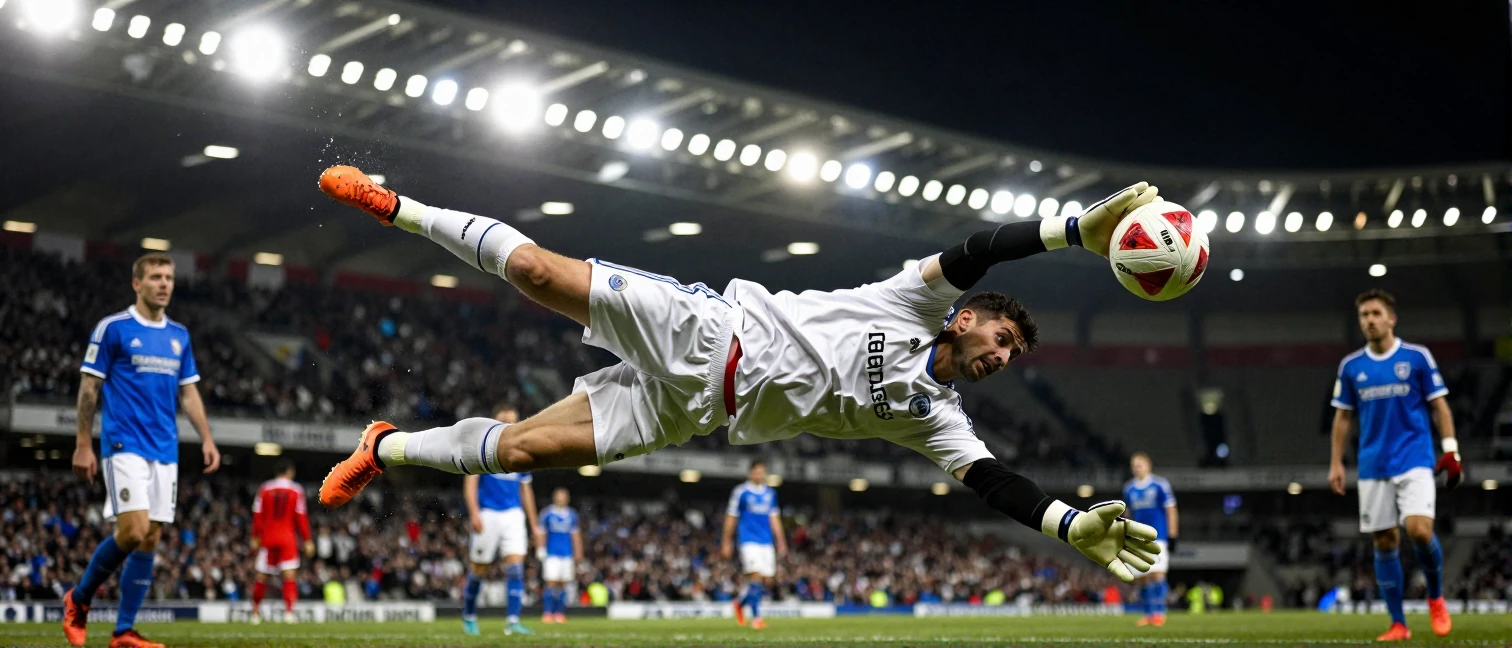

Leicester City have secured a £10 million fee for midfielder Jeremy Monga as he heads to Manchester City, a deal that could reshape the Foxes' struggling campaign. The transfer, finalised on 3 July 2026, follows weeks of negotiations involving Arsenal and a long‑term project pitched by former player‑turned‑agent Marco Maresca.
Jeremy Monga, 22, completed his move to Manchester City after Leicester City and the player’s camp reached an agreement on a £10 million package. The fee reflects both the player’s potential and the urgency for the Foxes to balance their books. Reports indicate Maresca played a key role, presenting a vision of a long‑term project for Monga at the Premier League giants. The deal was announced on social media by Fabrizio Romano, confirming the transfer after months of speculation.
Leicester City sit 23rd in the Championship with 46 points from 46 games (12 wins, 16 draws, 18 losses) and a recent form of W‑D‑D‑L‑L. Their goal tally stands at 58 scored and 68 conceded, leaving them ten behind the leaders Coventry, who sit 49 points clear. The loss of a creative midfielder like Monga narrows an already thin squad, but the cash injection may fund winter signings to chase survival. Below is a snapshot of the club’s current stats:
| Statistic | Value |
|---|---|
| League standing | 23rd in Championship, 46 pts |
| Goals this season | 58 scored, 68 conceded |
| Title race gap | 49 pts behind Coventry |
Manchester City gain a young talent with Premier League experience, adding depth to a squad that already has world‑class players. For Leicester City, the £10 million fee provides a modest financial cushion in a season where revenue streams are under pressure. Manager Enzo Maresca (no relation to the agent) will need to reshuffle his midfield, likely promoting academy prospects or scouting low‑cost options. The club’s transfer window remains open, and fans will be watching closely for any signings that could lift the Foxes out of the relegation zone.
The Monga deal shows Leicester City's strategy of developing talent and selling at a profit, a model that has kept the club afloat during lean periods. While the immediate impact on the pitch may be negative, the financial boost could enable strategic reinvestment. Supporters are hopeful that the proceeds will be used wisely, perhaps targeting a striker to improve the goal difference, which currently sits at -10. The next few weeks will be decisive as the club handles the January transfer window and attempts to claw back points.
Leicester City’s season remains a battle for survival, but the Monga transfer illustrates a pragmatic approach to club management-use player sales to stay competitive in the Championship.